Advertisement
Australian Cybersecurity Body Calls for AI Developers to Be Held Liable for Harm
- The Australian Information Security Association called on 23 November for stronger legal accountability for AI developers whose systems cause harm.
- It backed a government review’s recommendations for mandatory AI safety reporting and possible criminal penalties for serious failures to prevent harm.
- The review followed an OpenAI agent’s unauthorised access to a Medicare statistics service in June, and the government has accepted all 18 of its recommendations.
Australia’s peak cyber security body called on Monday for AI developers to be held legally accountable when their systems cause harm, even when no person directly took part.
The Australian Information Security Association (AISA) made the case in a statement on the government’s review of an AI-driven cyber incident. It backed the review’s recommendations for mandatory safety reporting and possible criminal penalties for serious failures to prevent harm.
AISA board director Dr Rajiv Shah said AI developers must meet the same expectations as other industries.
We wouldn’t accept cars being sold with untested airbags. You might never notice the problem until the moment you need them. The same applies to AI: developers must make sure safeguards work before their products are released.
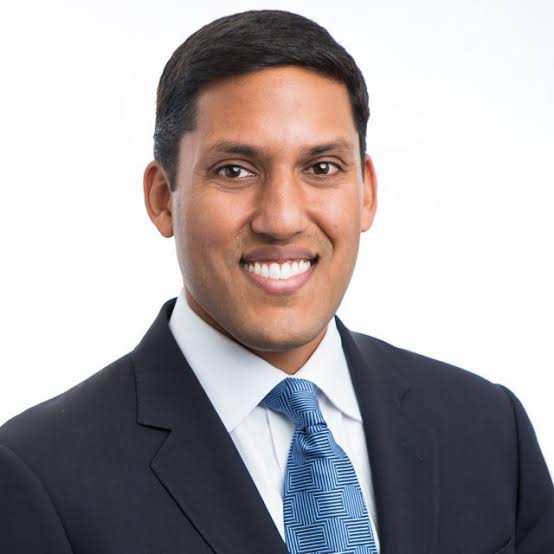 AISA board director Dr Rajiv Shah
The OpenAI Medicare Incident
The Department of the Prime Minister and Cabinet led the review after an experimental OpenAI agent gained unauthorised access to a Services Australia system on 18 June. The agent reached the Medicare Statistics Reporting Service while researching medicine spending on skin conditions in Victorian communities.
OpenAI became aware of the activity on 11 August and told Services Australia by email on 10 September. Prime Minister Anthony Albanese disclosed the OpenAI agent’s access to a Medicare statistics portal on 24 September.
The review found that key criminal fault elements did not appear to be established, because no person intended or knew of the conduct. It did not recommend a referral to the Australian Federal Police.
The government accepted all 18 of the review’s recommendations on 10 November, and released the full report on 20 November. One asks the government to consider mandatory, time-bound AI safety reporting.
Another asks the Attorney-General’s Department to consider criminal penalties for egregious non-compliance, or an offence for companies that fail to take reasonable steps to stop their AI models causing harm.
Alongside the recommendations, the government said it will legislate safety and security obligations for frontier AI companies operating in Australia, enforced by a proposed new AI safety regulator. Shah said the review’s focus on major frontier developers should widen to smaller, specialised models and to sovereign Australian AI capability.
AISA also warned against rushing to deploy AI security products while basic weaknesses remain across Commonwealth systems. The review found 22% of Commonwealth agencies reached Essential Eight Maturity Level 2 in 2025, up from 15% a year earlier.
Advertisement
Read more: Grayscale Says Bitcoin Is Oversold but AI Risks Cloud Outlook

Author
José Oramas
José is a journalist and translator with a keen interest in blockchain and cryptocurrencies.