Advertisement
Australia’s Crypto Tax Reporting Consultation Closes
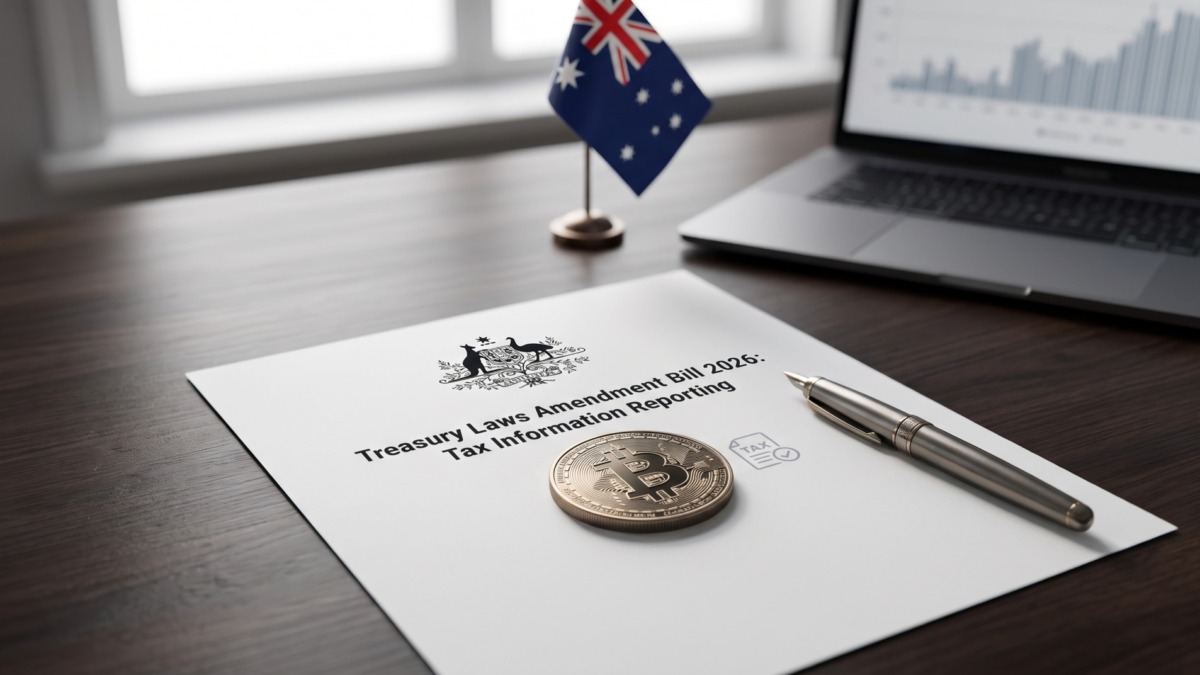
- Treasury’s consultation on the Treasury Laws Amendment Bill 2026: Tax Information Reporting ran from 15 to 28 October.
- Much of the regime’s detail, including who reports, deadlines and administrative penalties, would be set later by ministerial rules.
- Lawyers at Piper Alderman flagged that the domestic regime sets no minimum transaction value and that many providers will face both regimes.
Treasury’s consultation on draft laws making crypto platforms report Australian customers’ trades to the tax office closed on Wednesday, with much of the detail still undecided.
The bill would bring the OECD’s Crypto-Asset Reporting Framework (CARF) into Australian law and add a separate domestic reporting regime. It was released as draft laws for comment on 15 October, and no submissions had been published on Treasury’s consultation hub by Thursday.
The Australian Taxation Office (ATO) states on its legislation page that the measure is not yet law. Once passed, it would take effect at the start of the first calendar quarter after Royal Assent.
Related: Anthropic Reveals AI Security Failures as It Files for Blockbuster IPO
Rules Still to Be Written
The bill sets up a framework, and much of the operating detail would follow in subordinate law. In that process, the Governor-General would first prescribe CARF by regulation, after which the Minister could make rules by legislative instrument.
Those rules would decide which providers, users and transactions are covered and what information is reported. They would also set reporting periods, due diligence duties and administrative penalties, according to the explanatory memorandum.
Treasury says using subordinate law lets the government adjust settings as OECD guidance changes. For the domestic regime, Treasury intends quarterly reporting from 1 July 2027, but that depends on the ATO Commissioner making an instrument. Without one, reporting would default to a full financial year.
Digital currencies and NFTs both count as virtual assets under the domestic regime. It covers businesses providing registrable virtual asset services under anti-money laundering laws, such as exchanges, brokers, custodians and transfer services.
Lawyers Flag Reporting Load
Lawyers at Piper Alderman, including partner Steven Pettigrove, reviewed the draft in a 20 October analysis. They noted the window for submissions left businesses little time to assess it.
The firm expects many providers to fall within both CARF and the domestic regime. Under CARF, providers would also have to report transfers to unhosted wallets. Smaller providers may face the greatest pressure, the lawyers wrote, because the regime lands alongside broader regulatory change.
Advertisement
The firm advised providers to align the work with current anti-money laundering reforms to avoid duplicated customer requests. Crypto platforms also face a separate overhaul from the corporate regulator, with ASIC’s new platform regime starting on 8 April 2027.
Piper Alderman said Australia must also sign the CARF Competent Authority Agreement before the international regime can operate. The ATO expects Australia’s first exchange of crypto tax information with other countries in 2028.
Read more: Major US Companies Object to Tokenised Stock Trading on OKX-ICE Platform

Author
José Oramas
José is a journalist and translator with a keen interest in blockchain and cryptocurrencies.