Advertisement
Warren, Sanders Urge Labor Department to Reject Crypto-Friendly 401(k) Rule
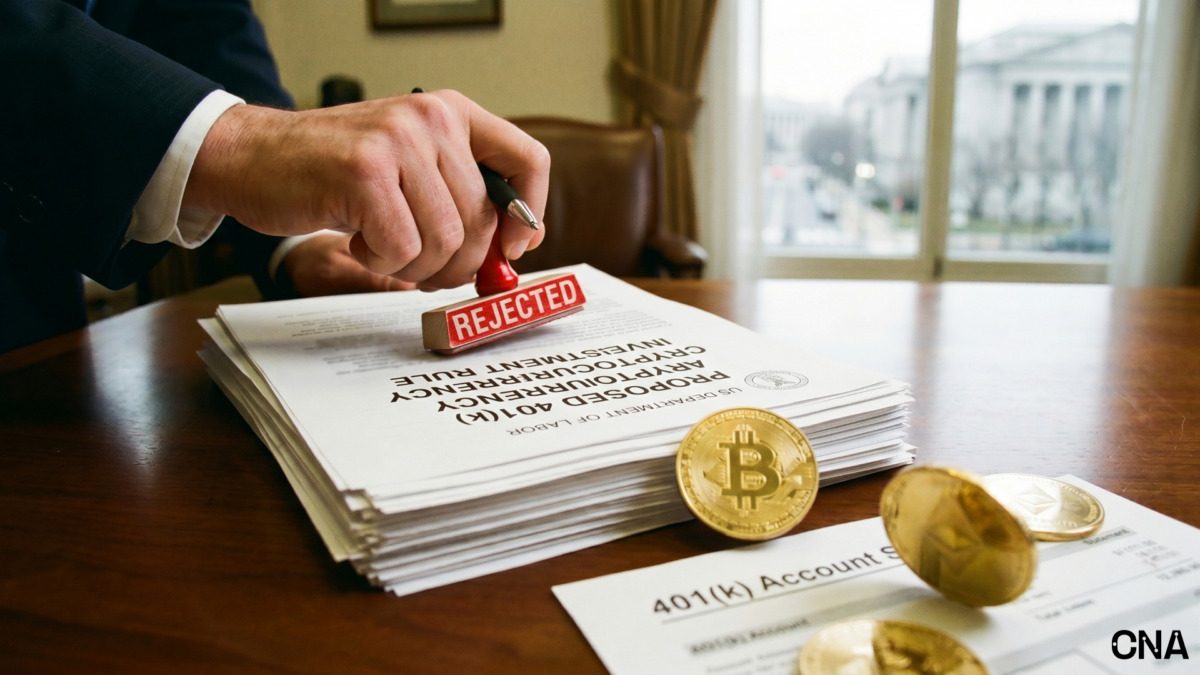
- Warren, Sanders and Bobby Scott have asked the Labour Department to scrap a proposal that would broaden access to crypto and alternative assets in 401(k) retirement plans.
- The lawmakers argue the rule would weaken ERISA fiduciary standards by assuming prudence rather than requiring retirement plan managers to prove it.
- They warned that greater exposure to volatile digital assets could increase risks for retirement savers while benefiting the crypto industry.
US Senators Elizabeth Warren and Bernie Sanders have urged the Department of Labor (DOL) to withdraw a proposed rule that would make it easier for retirement plan fiduciaries to offer cryptocurrencies and other alternative assets through 401(k) plans, arguing that the measure would weaken long-established protections for workers’ savings. The lawmakers outlined their concerns in a 1 June letter to Acting Labor Secretary Keith Sonderling, which was also signed by Representative Bobby Scott.
The proposal would allow fiduciaries to consider a wider range of investments, including digital assets, private equity, private credit and certain annuity products. Under the framework, fiduciaries could receive greater protection from liability if they evaluate factors such as fees, liquidity, performance and complexity before selecting investments.
Warren, Sanders and Scott argued that the proposal effectively creates a presumption that fiduciaries have acted prudently, rather than requiring them to demonstrate prudence under standards established by the Employee Retirement Income Security Act (ERISA) and reinforced through court decisions. They warned this could make it harder for retirement savers to challenge investment decisions.
Related: US Says It Has Seized US$1 Billion in Iranian Crypto Assets
Crypto Risks Take Centre Stage
The lawmakers devoted significant attention to cryptocurrencies, describing them as highly volatile and pointing to research showing crypto investments available in retirement plans between 2021 and 2023 experienced substantially greater volatility than the S&P 500. They also cited FBI figures reporting more than US$11 billion (AU$15.29 billion) in losses linked to cryptocurrency fraud during 2025.
In their letter, the lawmakers said the proposed changes could expose retirement savers to greater risks while benefiting the digital asset industry. They called on the Labor Department to abandon the proposal and retain existing fiduciary standards governing retirement plans.
Related: Retail Investors Still Drive Bitcoin Demand Despite ETF Boom, Says Swan CEO

Author
Rachel Lourdesamy
Rachel is a freelance writer based in Sydney with experience within financial services, marketing, and corporate communications in the APAC region. An avid reader and a graduate of the University of Sydney, she covers topics including business, finance and human interest.