Advertisement
Venezuela Turns to Stablecoins as War Tensions and Sanctions Threaten Economic Collapse
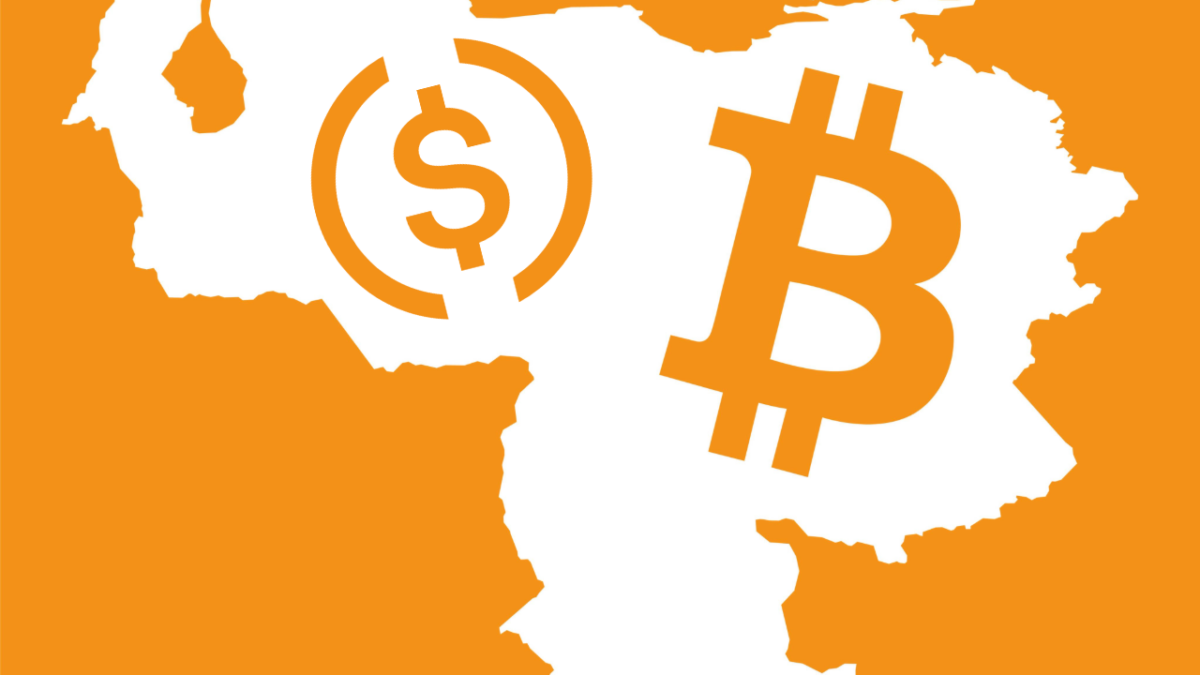
- The US deployed a carrier group near Venezuela after signals from President Trump about potentially authorising strikes on drug cartels, which President Maduro rejected.
- A confrontation could increase the use of stablecoins in Venezuela, which already ranks fourth in LATAM for crypto value received due to inflation and sanctions.
- Both citizens and the Venezuelan government use stablecoins to bypass currency volatility, capital controls, and sanctions for trade and payments.
Earlier this week, the US Department of Defense deployed an advanced aircraft carrier group to the Caribbean near Venezuela, following signals from President Donald Trump that he intends to authorise strikes on drug cartels operating in the country.
Trump accused Venezuelan networks of moving narcotics into the United States, claims that President Nicolás Maduro rejected while urging Washington not to escalate toward war.
Many now believe that a confrontation, coupled with rising inflation and economic uncertainty, could widen the use of stablecoins.
The Rising Threat
Related: Ripple Acquires Hidden Road and Relaunches It as Ripple Prime, Hints New XRP Utilities
Chainalysis has provided multiple reports on the magnitude of crypto flows in Venezuela and LATAM overall. From July 2024 through June 2025, Venezuela ranked fourth in the region by crypto value received, mostly through Binance, at US$44.6 billion (AU$69.1 billion), trailing only Brazil, Argentina, and Mexico, each far larger by population.
The combination of capital controls, sanctions choke points, and inflation has pushed individuals and businesses toward crypto rails that feel more predictable than the official currency or the patchwork dollar cash market.
In that sense, a military confrontation or sanctions tightening could impair centralised exchange access and dollar on-ramps, widening spreads for P2P stablecoin trades and fragmenting liquidity by region and platform.
Even The Government Is Using Crypto
The use of stablecoins makes sense as these dollar-pegged assets remove day-to-day bolívar volatility from pricing and payrolls, extending the dollar’s utility where physical notes are scarce and banked dollar accounts are limited.
They simplify remittances and trade settlement when correspondent banking is unreliable, hence why the state has moved in the same direction; Caracas has used stablecoins to grease oil trade and cross-border payments with friendly governments and intermediaries. That trend comes with a fresh strategic alignment with Russia, signed in May of this year but formalised on Monday this week.
Related: Trump Taps Michael Selig to Lead CFTC as US Pushes Toward Crypto-Friendly Regulation
Advertisement

Author
José Oramas
José is a journalist and translator with a keen interest in blockchain and cryptocurrencies.