Advertisement
“Luxembourg HODLs”: EU Finance Hub Invests 1% of Sovereign Wealth Fund in Bitcoin
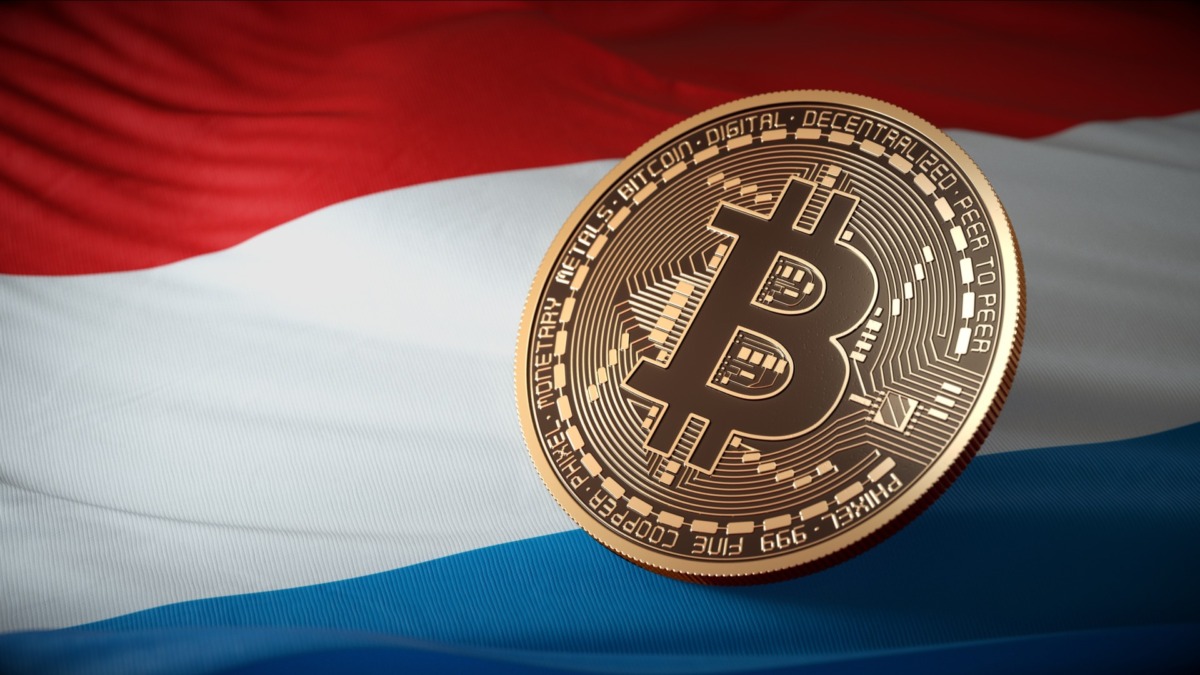
- Luxembourg has allocated 1% of its almost US$900 million sovereign wealth fund to Bitcoin.
- The nation’s Finance Minister, Gilles Roth, spoke bullishly on Bitcoin, saying he believes it “will without any doubt be part of the future of finance.”
Major European financial centre, Luxembourg, has allocated 1% of the funds held in the nation’s Intergenerational Sovereign Wealth Fund (FSIL) into Bitcoin, as announced by its Finance Minister, Gilles Roth, on Thursday.
Speaking at the Bitcoin Amsterdam 2026 conference, Roth said that the fund had chosen to invest exclusively in Bitcoin despite being authorised to invest in a wide range of digital assets.
“While the fund’s investment policy allows for an allocation to any crypto asset, it has chosen to invest only in Bitcoin,” Roth said.
As Michael Saylor once said, there is no second best and we’re in it for the long haul.
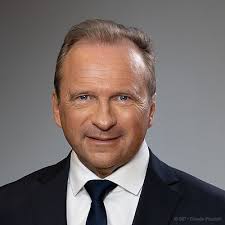 Gilles Roth, Luxembourg Finance Minister
 As of mid-June 2025, FSIL held about US$887 million (AU$1.3b), mostly in bonds and index funds — a Bitcoin allocation of 1% suggests an investment of just under US$9 million (AU$13m).
Roth first announced Luxembourg’s plan to invest in Bitcoin last month during his 2026 budget presentation. The Finance Minister explained that the nation’s sovereign wealth fund will hold the Bitcoin indirectly through exchange-traded funds (ETFs) to minimise custody and operational risks.
FSIL’s investment in Bitcoin makes it the first European national sovereign wealth fund to allocate funds to Bitcoin.
Let me be clear, Luxembourg HODLs. We are still early, I am sure others will soon follow.
Gilles Roth, Luxembourg Finance Minister Roth said he believes Bitcoin will play an important part in giving Europe’s economy a competitive advantage in the future, referring to it as a “system that never shuts down.”
“I believe that crypto and in particular, Bitcoin, are part of the solution,” Roth said.
“In my mind, our economies will not switch to the Bitcoin standard, but at the same time Bitcoin will, without any doubt, be part of the future of finance.”
Advertisement
EU Looking to Centralise Financial Market Regulation, Luxembourg Opposes Move
Luxembourg is one of six founding members of the European Union (EU) and is home to a number of EU institutions including the European Investment Bank and the European Investment Fund. Last month, the EU announced it is developing a plan to centralise the regulation of stock exchanges and crypto exchanges by bringing them under the oversight of the European Securities and Markets Authority (ESMA).
The plan aims to reduce regulatory fragmentation across the EU and establish a unified regulatory framework in order to encourage innovation in Europe and reduce reliance on funding and investment from non-EU nations.
Under the proposed framework, ESMA’s regulatory powers would be expanded to mirror those of the Securities and Exchange Commission (SEC) in the US. The new powers would see ESMA’s jurisdiction expanded to include cross-border entities throughout the EU, such as trading platforms and clearing houses.
Related: EU Urged to Back Euro Stablecoins to Challenge Dollar Dominance
The proposal has been opposed by some smaller EU nations, including Luxembourg and Ireland, over fears it could harm their domestic finance industries. Roth described the plan as an “ineffective centralised model.” He said he would prefer to see gradual alignment between national regulators.
Many of the larger EU nations, including France, Austria and Italy have expressed support for the plan, suggesting it could prevent regulatory arbitrage — in which entities seek licenses in whichever country offers the loosest regulation — under the new Markets in Crypto Assets (MiCA) framework.

Author
Jody McDonald
Jody is a Brisbane-based freelance writer who specialises in writing about business, technology, and the future of work.