Advertisement
Japan May Let Banks Hold Bitcoin in Landmark Financial Reform
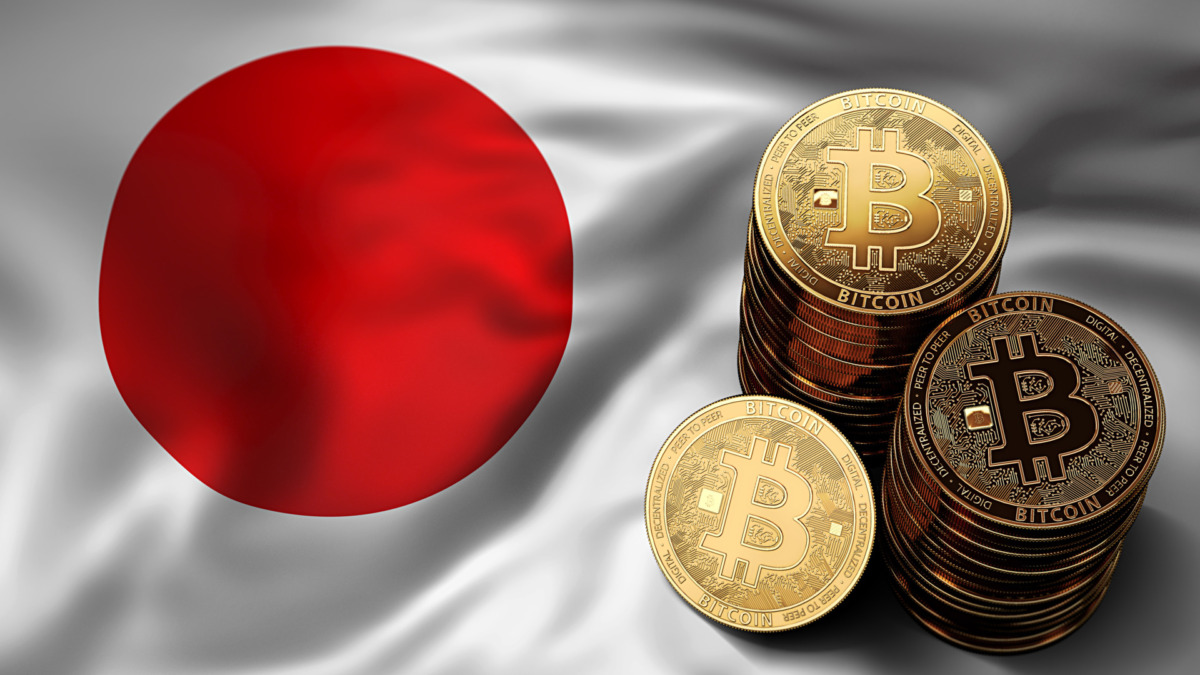
- Japan’s Financial Services Agency plans to review 2020 rules that prevent banks from holding cryptocurrencies like Bitcoin.
- The reforms would introduce capital and risk-management standards and potentially allow banks to run licensed crypto exchanges.
- With crypto adoption and account numbers surging, Japan is moving toward fully integrating digital assets into its financial system.
Japan’s top financial regulator is considering a landmark policy shift that could permit domestic banks to invest in cryptocurrencies, including Bitcoin. The Financial Services Agency (FSA) plans to debate the proposal at a forthcoming Financial Services Council meeting, with the goal of aligning digital asset treatment with that of conventional financial instruments such as stocks and government bonds.
Since 2020, Japanese banks have effectively been barred from holding crypto under supervisory guidelines designed to shield them from market volatility. The FSA now intends to create a new framework that would allow banks to participate in the crypto market while adhering to stricter capital and risk-management obligations.
According to reports, the reform would enable financial institutions to acquire and hold crypto assets under regulated conditions similar to traditional investments. Discussions are expected to cover risk controls, including mechanisms to address potential losses stemming from price swings that could impact a bank’s financial position.
The FSA is further examining whether to authorise banking groups to operate as licensed “cryptocurrency exchange operators,” which would allow them to provide trading and custody services directly to customers. By incorporating regulated banks into the sector, authorities hope to enhance investor confidence and accessibility.
Related: Ripple CEO Brad Garlinghouse Urges Equal Treatment for Crypto and Traditional Finance Firms
Expanding Bank Roles in Japan
Japan’s digital asset market continues to expand rapidly, with over 12 million accounts opened by February 2025 – a more than threefold increase since 2020. In parallel, the FSA is pursuing broader regulatory reform by bringing crypto oversight under the Financial Instruments and Exchange Act, aiming to better protect investors and align enforcement with securities law.
Separately, major banks including Mitsubishi UFJ, Sumitomo Mitsui, and Mizuho have collaborated to introduce a yen-pegged stablecoin to improve settlement efficiency and reduce transaction costs. Together, these initiatives suggest Japan is edging closer to fully integrating digital assets into its mainstream financial landscape.
Related: PayPay Acquires 40% Stake in Binance Japan to Boost Digital Asset Integration

Author
Rachel Lourdesamy
Rachel is a freelance writer based in Sydney with experience within financial services, marketing, and corporate communications in the APAC region. An avid reader and a graduate of the University of Sydney, she covers topics including business, finance and human interest.