Advertisement
Iran Eyes Crypto Payments for Strait of Hormuz Oil Transit Fees During Ceasefire
- A ceasefire proposal includes charging oil tankers transit fees through Hormuz, with crypto and yuan as payment options.
- Ships must submit cargo details for approval, with fees applied to loaded vessels and paid quickly in digital assets.
- Industry and diplomats warn the plan could raise costs, create legal risks, and challenge established shipping norms.
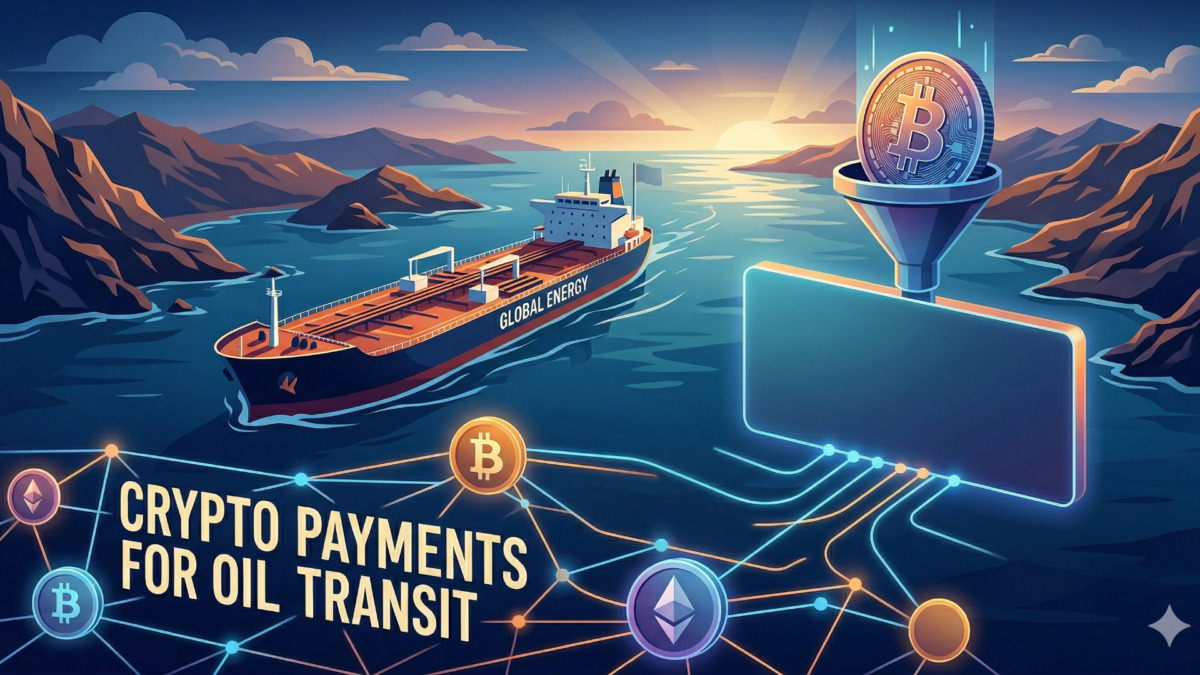
Efforts to impose transit fees on oil shipments through the Strait of Hormuz have emerged during a two-week ceasefire, with Iran seeking to accept payments in cryptocurrency or currencies such as the Chinese yuan. The plan reflects a strategy to retain influence over the waterway while negotiations over future arrangements continue.
Vessels would be required to provide cargo details for review prior to transit, allowing authorities to determine eligibility and assign a fee. This process is intended to maintain oversight of shipments and prevent the movement of weapons during the ceasefire period.
The proposed charge is US$1 per barrel (AU$1.45), applying to loaded tankers, while empty vessels may be permitted to pass without payment. Approved ships would then be required to complete payment in digital assets within a limited timeframe following assessment.
Acceptance of cryptocurrency highlights a broader strategy to bypass financial restrictions tied to sanctions by avoiding traditional banking systems. It also illustrates how digital currencies are increasingly being used in high-level trade and geopolitical contexts.
Related: CFTC Takes Three States to Federal Court Over Prediction Market Control
Oil Industry Pushes Back
Industry representatives have raised objections, arguing that tolls would increase operational costs and create uncertainty for global energy markets. Proposals discussed in negotiations suggest fees could reach US$2 million (AU$2.9 million) per ship.
Additional concerns centre on legal exposure and the implications for global shipping norms, particularly around free navigation through critical maritime routes.
Related: Bitcoin Faces $10K Downside Warning as Oil Surge Rattles Markets

Author
Rachel Lourdesamy
Rachel is a freelance writer based in Sydney with experience within financial services, marketing, and corporate communications in the APAC region. An avid reader and a graduate of the University of Sydney, she covers topics including business, finance and human interest.