Advertisement
Hong Kong Opens Global Crypto Liquidity Access for Licensed Exchanges
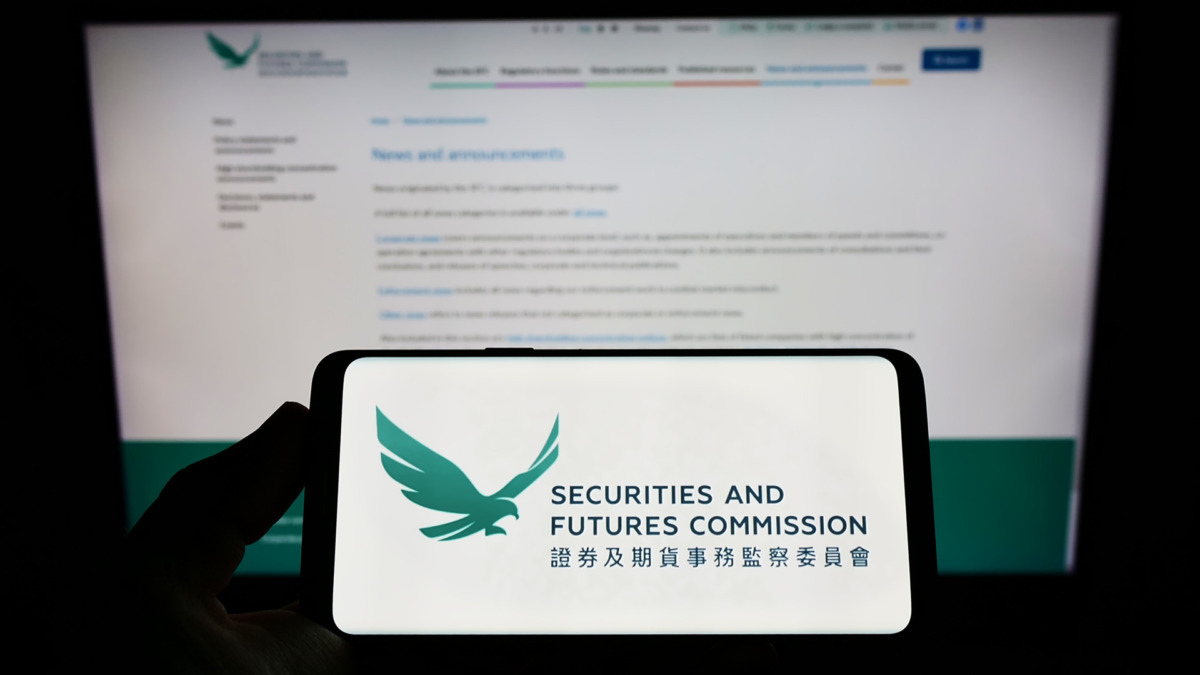
- Hong Kong’s SFC now allows licensed crypto exchanges to connect with affiliated global platforms to share order books in order to boost market liquidity and competitiveness.
- The new framework permits routing or consolidating orders with global books and relaxes listing rules for stablecoins and certain tokens offered to professional investors.
- This strategy is part of Hong Kong’s push to build a sustainable digital asset ecosystem.
Hong Kong’s Securities and Futures Commission (SFC) will allow licensed crypto exchanges to connect to global liquidity by sharing order books with affiliated overseas platforms, subject to prior written SFC approval.
The change is aimed at deeper liquidity and tighter spreads as the city pushes its digital asset strategy, which includes a recent approval of the world’s first Solana (SOL) spot exchange-traded fund (ETF).
Related: WEF President Warns of Potential AI and Crypto Bubbles Amid $500B Tech Investment Surge.
Boosting Competitiveness
In circulars published Monday, the regulator said approved integrations would allow Hong Kong investors to access broader markets for better price discovery.
SFC Chief Executive Officer Julia Leung, in remarks released alongside the policy, said the goal is to boost competitiveness while maintaining safeguards.
In building a sustainable digital asset ecosystem, she pinpointed that success is about improving the robustness of our financial infrastructure, clearing and settlement through blockchain. It is also about scaling and the sustainable growth of the digital asset market. A vibrant digital asset market requires a diverse range of products and services to attract different types of investors, as well as active market makers to provide liquidity.
 SFC
SFC The move departs from the current model that relies on prefunded accounts and domestic settlement, which can fragment liquidity. Under the new approach, SFC-licensed venues may route orders to or consolidate with global books once they meet supervisory conditions.
A second circular relaxes listing criteria for certain assets: tokens and stablecoins authorised or supervised by the Hong Kong Monetary Authority will be exempt from the usual 12-month trading-history requirement when offered to professional investors. The exemption is intended to widen available products without compromising oversight.
All in all, Hong Kong is refining its frameworks for exchange and stablecoin licensing amid competition from other jurisdictions. Leung couldn’t have summarised it better by stating that rules must strike a balance.
In other words, too strict and liquidity and talent moves elsewhere, too loose and trust erodes. But it seems things are a bit different when it comes to stablecoins; the People’s Bank of China (PBoC) recently requested Chinese tech firms Ant Group and JD.com to halt the issuance of stablecoins in Hong Kong.
Related: Blockchain’s Cash Flow Moment: Onchain Revenues Soar Toward $20B
Advertisement

Author
José Oramas
José is a journalist and translator with a keen interest in blockchain and cryptocurrencies.