Advertisement
Ethereum’s Vitalik Buterin Sees Growing Presence of Asia Developers in Blockchain Tech
Asia’s role in the global crypto scene is no longer just “hundred-millionaires buying your favorite dog coin,” Ethereum’s co-founder told a crypto-industry conference in Austin, Texas.
:format(jpg)/cloudfront-us-east-1.images.arcpublishing.com/coindesk/SUWYODJBZRD5FLG72KAUZKNIKY.jpeg)
AUSTIN, TEXAS – Vitalik Buterin, co-founder of the Ethereum blockchain, said he’s observed a growing influence on crypto technology from teams in Asia – a marked departure from the past, where most development was taking place in the West.
“Five years ago, it felt like East Asia had great exchanges and great mining but, you know, very little contribution to the dev and research side,” Buterin on Wednesday told attendees of the Permissionless crypto conference in Austin, Texas. “And I feel like that has really massively flipped.”
Crypto Markets This Summer ‘Completely Listless and…
Ripple’s Legal Chief on Why SEC Case is Important for…
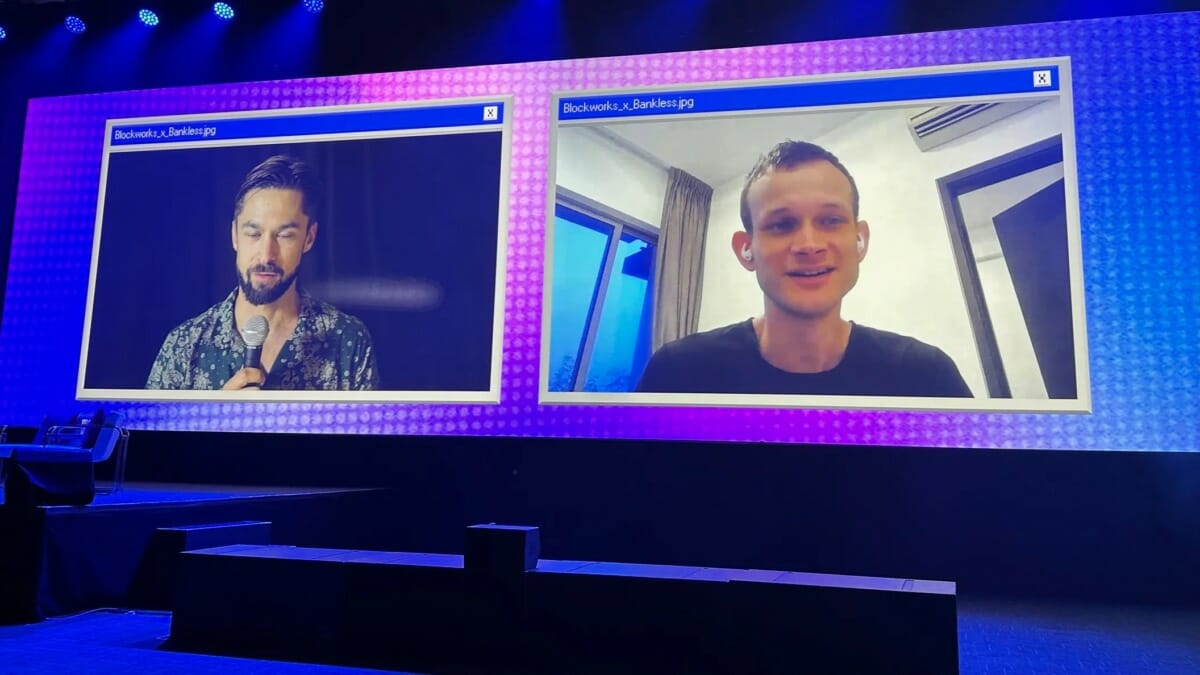
Buterin was speaking remotely, beamed in via projection screens from a location in Asia, he said.
He commented about Asia while discussing advancements in a new type of “smart account” crypto wallets via an innovation made earlier this year known as “account abstraction,” or ERC-4337. The upgrade is intended to make crypto wallets more user-friendly, including features to make account recovery possible when users lose their keys.
“I’ve been traveling through East Asia over the past month and there’s been at least four groups that I’ve talked to, maybe even five groups, that are building some kind of account abstraction wallets,” Buterin said.
That probably would not have been the case in prior eras of the 14-year history of blockchain.
Advertisement
Recommended for you:
- Cardano Network Quickly Recovers After Brief Node Outage
- FTX Tweaks Crypto Sale Proposal to Placate U.S. Government
- How the Top 1% Covers Crypto
“When the average crypto Twitter person says, ‘Oh, Asia is back,’ they’re really referring to hundred-millionaires buying your favorite dog coins or whatever,” Buterin said, referring to tokens like SHIB of the Shina Inu blockchain ecosystem, which in turn was a knockoff of Dogecoin’s DOGE. “But I feel like, here, there is an Asia degree of deep community and technical involvement that is unlike anything I’ve seen before Covid or before any of the recent bubbles.”
Edited by Aoyon Ashraf.
Newsletter Every Wednesday
Sign up for The Protocol, our weekly newsletter exploring the tech behind crypto one block at a time.
DISCLOSURE
Please note that our privacy policy, terms of use, cookies, and do not sell my personal information has been updated.
The leader in news and information on cryptocurrency, digital assets and the future of money, CoinDesk is a media outlet that strives for the highest journalistic standards and abides by a strict set of editorial policies. CoinDesk is an independent operating subsidiary of Digital Currency Group, which invests in cryptocurrencies and blockchain startups. As part of their compensation, certain CoinDesk employees, including editorial employees, may receive exposure to DCG equity in the form of stock appreciation rights, which vest over a multi-year period. CoinDesk journalists are not allowed to purchase stock outright in DCG.
Bradley Keoun is the managing editor of CoinDesk’s Tech & Protocols team. He owns less than $1,000 each of several cryptocurrencies.