Advertisement
Crypto’s big two weeks: Here’s what happened and what it could mean
Crypto is having a very big two weeks.
After being litigated and lobbed with more than a dozen enforcement actions by the Securities and Exchange Commission, the crypto industry saw the most concrete rules proposed yet from Congress for a framework to regulate cryptocurrencies.
The movement in Washington comes as the industry digests two contradictory opinions over the last two weeks from different federal judges in New York about whether digital currencies can be considered securities when sold to the general public. Crypto prices and stocks have been mixed, as a result.
“Expect to see more disagreement between courts, and less clarity, until Congress acts,” Stephen Palley, a Washington, D.C.-based legal partner with Brown Rudnick who co-chairs the firm’s digital commerce group, said Monday over Twitter.
One possible turning point for how the industry is regulated came last week when the Republican-led House Financial Services Committee passed legislation out of committee that aims to create clarity around gaps between the rules of the Commodity Futures Trading Commission (CFTC) and the SEC
A long outstanding issue for the crypto community has been what criteria would cause a crypto token to be classified as a commodity or as a security.
The bill provides the CFTC with jurisdiction over digital commodities and clarifies the SEC’s jurisdiction over digital assets offered as part of an investment contract. It also tries to direct what firms need to do need to register with the SEC and requires the SEC to write new rules that are customized to govern crypto.
There would be a “decentralization” test to help decipher whether the token is a commodity, but that wouldn’t exclude it from necessarily becoming a security depending on how it’s used.
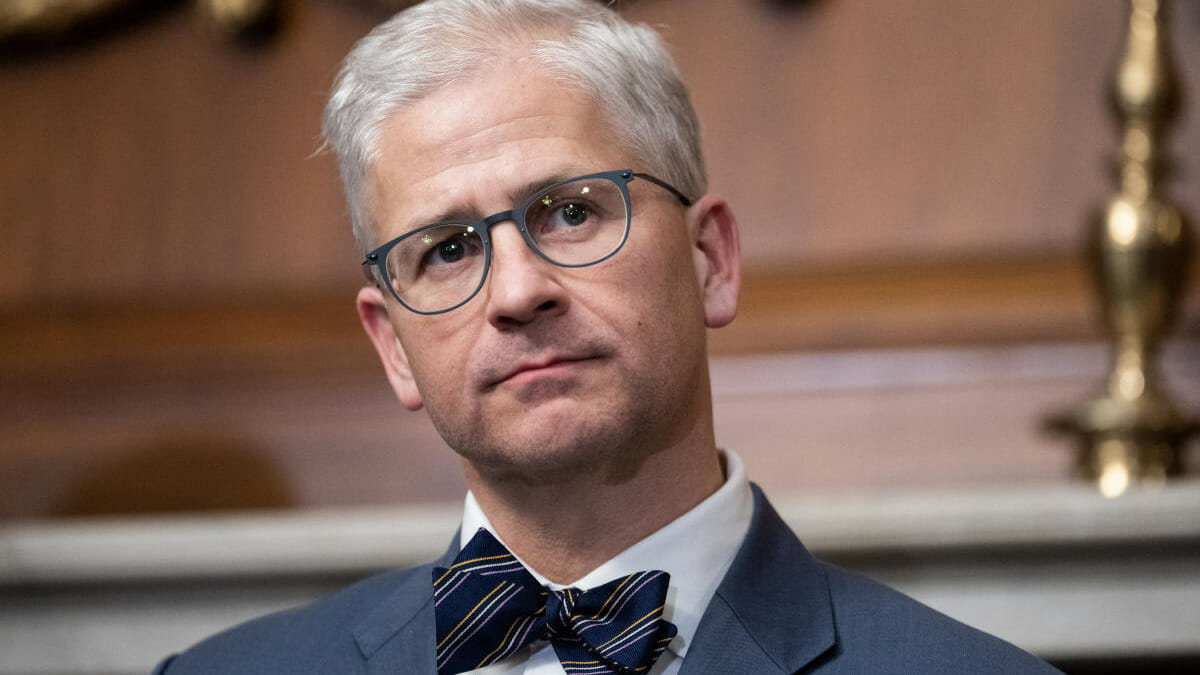
 Rep. Patrick McHenry, R-N.C. (Tom Williams/CQ-Roll Call, Inc via Getty Images)
House Financial Services Committee Chair Patrick McHenry (R-N.C.) and a top deputy, Rep. French Hill (R-Ark.), were able to get six Democrats on board with the bill to get it out of committee.
Advertisement
SEC Chair Gary Gensler has with the SEC and leveled more than a dozen enforcement actions against crypto firms for violating securities laws.
“I think it fundamentally rejects much if not all of what the SEC chair has been saying about the state of the market and the so-called clarity of the rules,” said Paul Grewal, the chief legal officer for Coinbase (), the largest cryptocurrency exchange in the US.
Analisa Torres, a US judge in the Southern District of New York, said on July 13 the XRP digital token issued by Ripple Labs and not when it was purchased by the general public. The SEC had sued Ripple for selling unregistered securities.
He determined that how a crypto token is sold — whether through an exchange or directly to institutional investors — does not determine whether any reasonable investor would expect the promise of profits. Rakoff ruled the can proceed.
Waters also asserted the stablecoin bill removes the ban on companies from issuing stablecoins, allowing companies like Amazon (), Walmart (), or Facebook () to create their own stablecoins or be affiliated with a stablecoin issuer.