Advertisement
China’s Central Bank Reasserts Crypto Ban, Warns Stablecoins Pose Major Financial Risks
- China reaffirms its crypto ban, warning stablecoins pose major AML and financial risks, even as underground Bitcoin activity quietly persists.
- The PBoC says digital assets remain illegal, criticising stablecoins for weak compliance and emphasising strict enforcement alongside digital yuan expansion.
- Despite Beijing’s prohibition, crypto use continues covertly while regulators highlight stablecoin vulnerabilities and maintain a firm stance on digital assets.
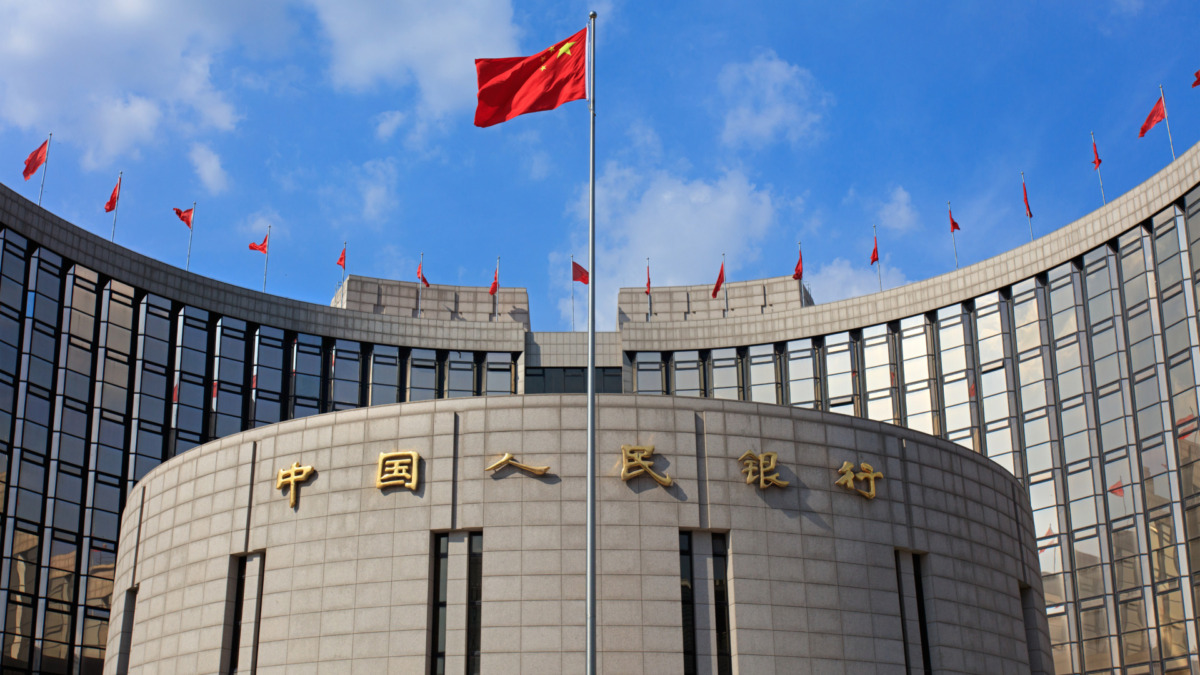
China’s central bank has reiterated that digital currencies and related activities are illegal, with stablecoins flagged as posing substantial financial risks. Following an inter-agency meeting on 28 November, the People’s Bank of China (PBoC) stressed that all cryptocurrency-related operations are unauthorised under Chinese law.
The central bank clarified that digital assets cannot be used as a means of payment and do not hold the legal status of fiat currency. It confirmed that business ventures linked to crypto constitute illegal financial activity, reinforcing its ongoing enforcement measures.
Related: China Accuses US of US$13B Bitcoin Heist in State-Sponsored Cyber Operation
High-Risk Stablecoin Activity
Stablecoins, in particular, were singled out for failing to meet customer verification and anti-money-laundering standards. The PBoC stated that these deficiencies make them susceptible to exploitation through money laundering, fraudulent fundraising, illegal cross-border flows, and underground payments.
“Stablecoins, a form of virtual currency, currently fail to effectively meet requirements for customer identification and anti-money laundering, posing a risk of being used for money laundering, fundraising fraud, and illegal cross-border fund transfers,” the translated statement said.
Although digital asset activity is officially banned, some crypto activity continues to occur clandestinely within China. Reports indicate the country now represents 14% of global Bitcoin mining, a sign of ongoing underground participation despite government restrictions.
The PBoC cited its 2021 trading and mining ban as having restored order to the virtual currency market, achieving “significant results” in curbing prior market chaos. Concurrently, the government has promoted the digital yuan (e-CNY), with over 225 million personal wallets created, reflecting a strategic shift towards centralised digital currency adoption.
Former governor Zhou Xiaochuan has warned that stablecoins could fuel speculation and financial instability if misused. While other countries, including the US, have introduced frameworks for institutional crypto adoption, China remains steadfast in enforcing its prohibitions and safeguarding financial stability.
Related: Ripple’s RLUSD Stablecoin Gains Regulatory Approval in Abu Dhabi’s ADGM
Advertisement

Author
Rachel Lourdesamy
Rachel is a freelance writer based in Sydney with experience within financial services, marketing, and corporate communications in the APAC region. An avid reader and a graduate of the University of Sydney, she covers topics including business, finance and human interest.