Advertisement
Canary Capital Sets the Stage for Wall Street’s First XRP ETF Revolution
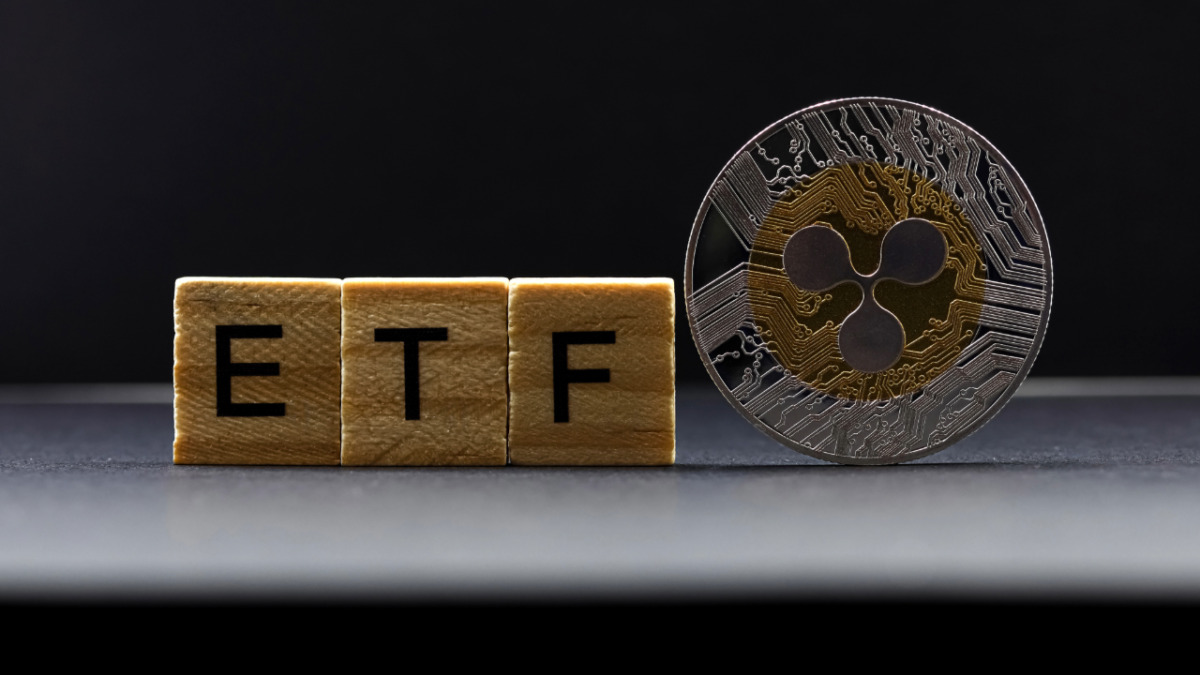
- Canary Capital announced its plan to launch the first US XRP ETF during Ripple’s Swell 2025 event, following filings by Franklin Templeton and Bitwise.
- All three firms filed updates allowing automatic approval after 20 days, with Canary’s launch likely by 13 November pending Nasdaq clearance.
- CEO Steven McClurg highlighted XRP Ledger’s efficiency for cross-border payments and forecasted up to US$10B (AU$15.4B) in first-month inflows.
Canary Capital officially revealed its plan to introduce the first US XRP exchange-traded fund (ETF) during Ripple’s Swell 2025 conference, highlighting growing momentum for institutional XRP investment. The initiative follows similar efforts by Franklin Templeton and Bitwise, who also updated S-1 filings with the Securities and Exchange Commission (SEC) in late October and early November.
All three firms updated their filings to remove a rule that usually lets the SEC decide when an application takes effect. Franklin Templeton’s updated document, dated 4 November, included a clause that allows approval to happen automatically after 20 days.
The timing of the filings has created a race to see which firm can launch first, with Canary potentially debuting ahead if Nasdaq approval comes through. Reports suggest Canary’s filing could see its ETF launch on 13 November.
During a panel at Ripple Swell hosted by Bloomberg ETF analyst Eric Balchunas, Canary Capital CEO Steven McClurg said, “We just launched the first two ETFs last week and we’re hoping to launch an XRP ETF next week”.
He outlined that generic listing standards and sufficient futures activity, which will be six months in XRP’s case, enable issuers to rely on a no-delay amendment to expedite ETF approval.
McClurg added that a no-delay amendment is filed “when you become a little bit more comfortable” with your registration, explaining that it goes into effect automatically after 20 days. This method mirrors the recent launches of Litecoin and Hedera ETFs under similar terms.
Related: U.S. Government Shutdown Freezes Crypto ETF Approvals at SEC
XRPL’s Role in Global Finance
At the same event, McClurg said the XRP Ledger could challenge Wall Street’s financial infrastructure due to its efficient cross-border payment capabilities. He emphasised that workers sending money home often face fees between 8% and 15%, while XRPL technology could drastically reduce such costs.
McClurg also predicted potential inflows of up to US$10 billion (AU$15.4 billion) in the first month of trading if the ETF receives strong institutional support.
Advertisement
If approved, Canary’s ETF could mark a defining moment in the integration of blockchain-based finance with established investment systems.
Related: BlackRock Expands Bitcoin Bet with Australia’s First iShares Bitcoin ETF

Author
Rachel Lourdesamy
Rachel is a freelance writer based in Sydney with experience within financial services, marketing, and corporate communications in the APAC region. An avid reader and a graduate of the University of Sydney, she covers topics including business, finance and human interest.