Advertisement
Bitcoin Price-Volatility Correlation Turns Negative Again as Crypto Traders Eye FTX Liquidations
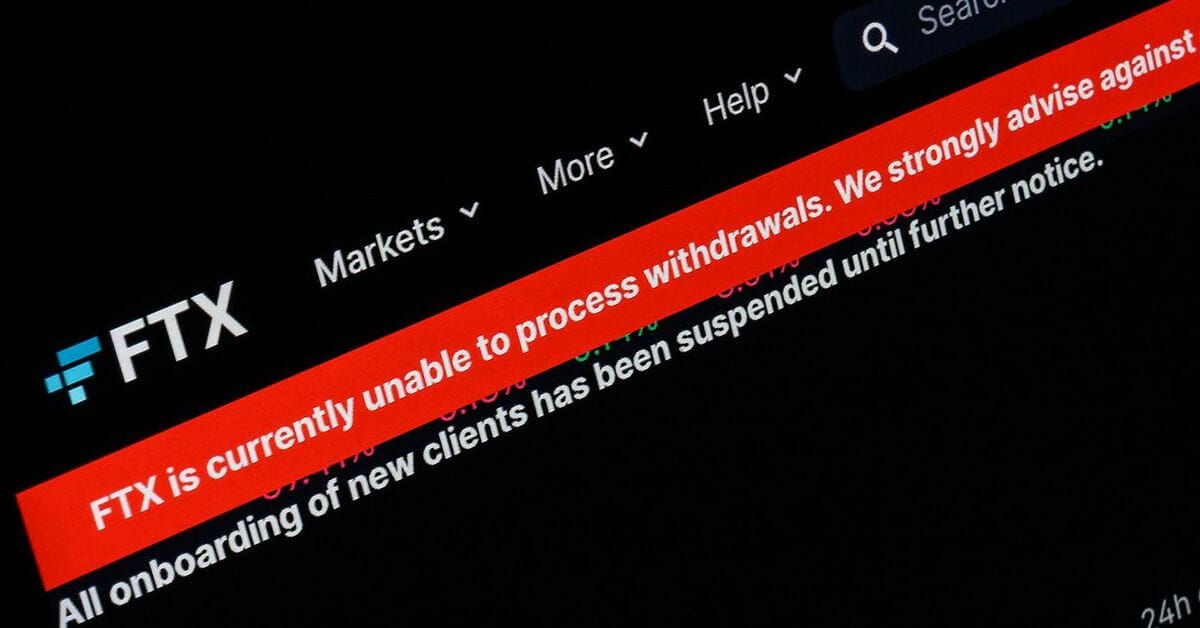
The correlation between bitcoin (BTC) and its implied volatility, which refers to expectations for price turbulence over a specific period, has turned negative again for the first time since May, indicating investor concerns about moves to the downside. The shift from positive correlation comes amid concerns the looming $3 billion FTX liquidations could crater the crypto market. CoinDesk’s Jennifer Sanasie presents “The Chart of the Day.”
0 seconds of 1 minute, 14 secondsVolume 0%
The correlation between bitcoin (BTC) and its implied volatility, which refers to expectations for price turbulence over a specific period, has turned negative again for the first time since May, indicating investor concerns about moves to the downside.
Up Next
Learn more about Consensus 2024, CoinDesk’s longest-running and most influential event that brings together all sides of crypto, blockchain and Web3. Head to coindesk.consensus.com to register and buy your pass now.
About
AboutMastheadContributorsCareersCompany News
Stay Updated
Advertisement
Get In Touch
Contact UsAdvertiseAccessibility HelpSitemap
The Fine Print
Ethics PolicyPrivacyTerms Of UseDo Not Sell My Personal Information
Please note that our privacy policy, terms of use, cookies, and do not sell my personal information has been updated.
The leader in news and information on cryptocurrency, digital assets and the future of money, CoinDesk is a media outlet that strives for the highest journalistic standards and abides by a strict set of editorial policies. CoinDesk is an independent operating subsidiary of Digital Currency Group, which invests in cryptocurrencies and blockchain startups. As part of their compensation, certain CoinDesk employees, including editorial employees, may receive exposure to DCG equity in the form of stock appreciation rights, which vest over a multi-year period. CoinDesk journalists are not allowed to purchase stock outright in DCG.