Advertisement
Aussie Startup Trains Living Human Brain Cells to Play Doom
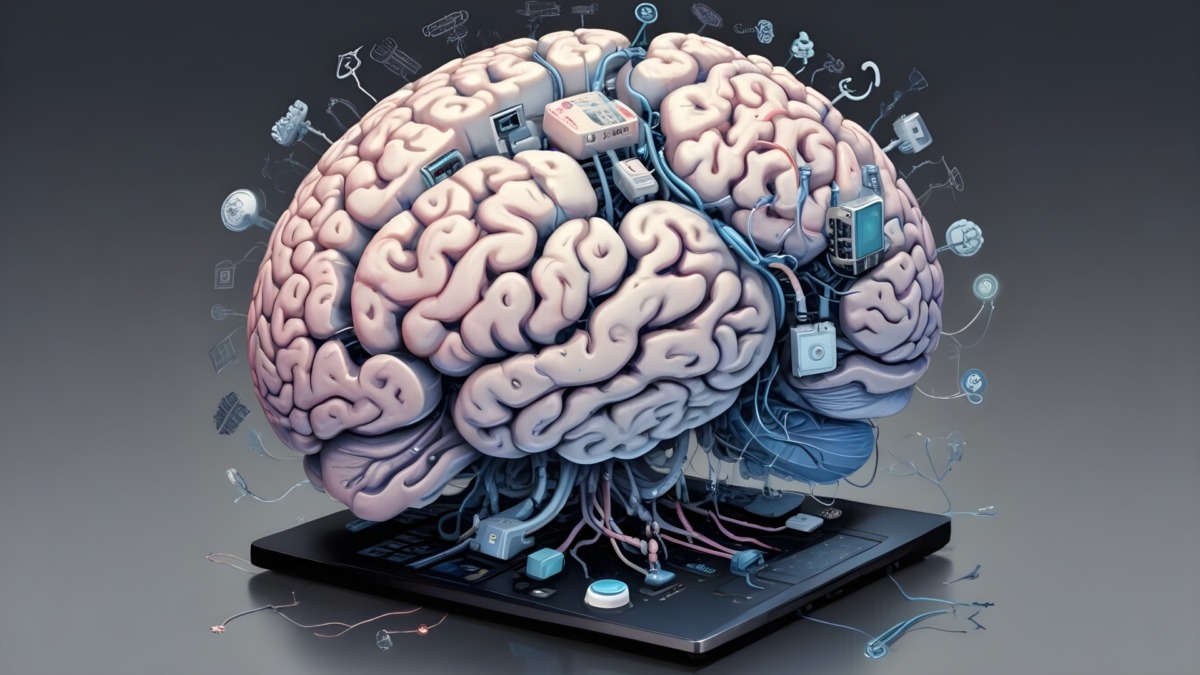
- Melbourne-based Cortical Labs has trained living human neurons to play Doom using its CL1 biological computing platform.
- The achievement builds on a 2021 Pong experiment that required 18 months of development.
- Gameplay is translated into electrical signals and decoded from neural spikes, though the cells do not understand the game.
Cortical Labs has advanced its biological computing research by teaching living human neurons to play Doom, a title long used as an informal benchmark for new systems. The Melbourne firm shared video of the 1993 game being controlled by neural activity generated within its laboratory-grown cell cultures.
The project follows the company’s earlier success in training neurons to play Pong, which demonstrated adaptive, goal-directed learning but required 18 months of development on earlier hardware. After that milestone, the question of whether the platform could run Doom became a recurring question.
Related: Nevada Gaming Regulator Sues Coinbase Over Unlicensed Sports Betting Contracts
From Pong to Doom
Central to the experiment is the CL1, promoted as the world’s first code-deployable biological computer and containing around 200,000 living human neurons connected to a silicon chip. Cultured on a multi-electrode array, the cells can be stimulated electrically while their responses are recorded and interpreted in real time.
Developers converted Doom’s digital inputs into electrical stimulation patterns delivered to different regions of the neural network. When neurons produced specific firing patterns, these were translated into corresponding in-game actions, including movement and shooting. The Doom implementation was completed in less than a week using the company’s application programming interface.
Researchers emphasised that the neurons process electrical signals and generate outputs, but do not possess awareness of the game.
Related: South Korea Orders Crypto Asset Review After $4.8M Wallet Blunder

Author
Rachel Lourdesamy
Rachel is a freelance writer based in Sydney with experience within financial services, marketing, and corporate communications in the APAC region. An avid reader and a graduate of the University of Sydney, she covers topics including business, finance and human interest.