Advertisement
AI Scams Are Costing Australians Millions — and They’re Getting Harder to Spot
- A 29-year-old Queensland man’s savings were wiped out within days after a fake trading app showed him manufactured profits, and the “support” he later reached was just an AI chatbot.
- Scamwatch data shows fraudulent investment schemes have already cost Australians $45 million this year, on top of $160 million lost across 2025.
- Police say organised networks are now using AI to fabricate entire fake investment ecosystems, complete with reviews, adviser personas, and cloned voices, and are warning people to verify licenses and pause before transferring funds.
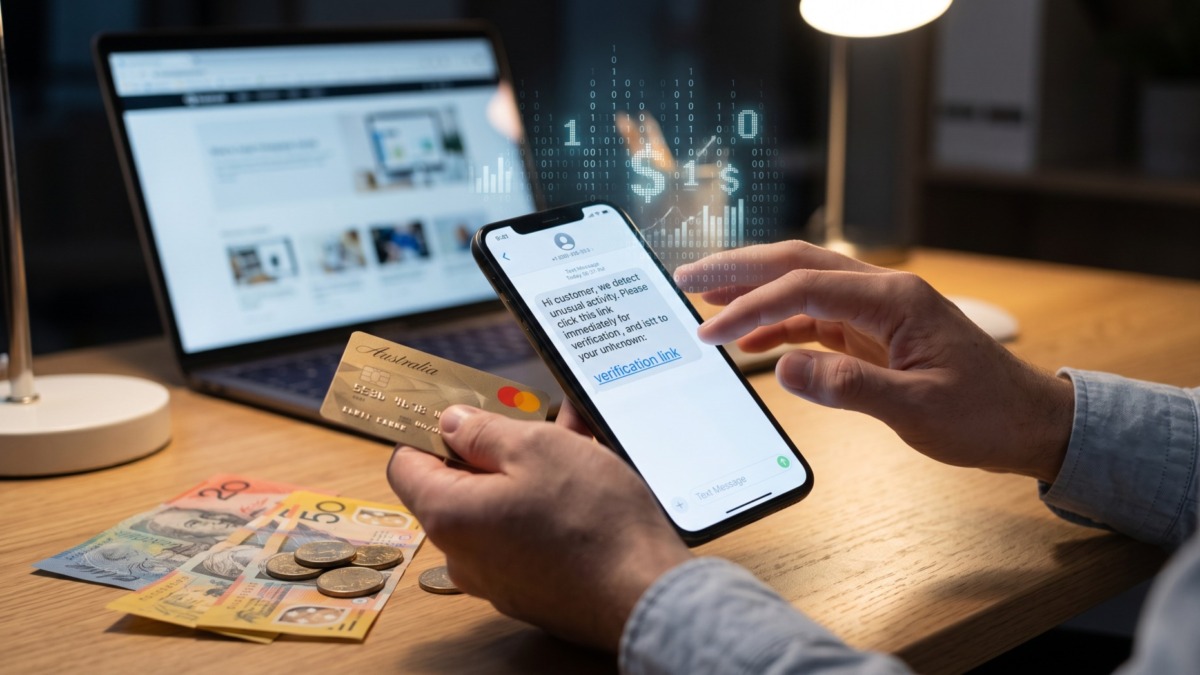
A sophisticated cryptocurrency scam cost a 29-year-old Queensland man more than $166,000 after an online advertisement directed him towards a trading application that appeared to generate investment profits. He installed the application and a browser extension linked to his crypto wallet, then transferred cryptocurrency after seeing apparent gains on his account. The illusion lasted only days before unauthorised transactions drained his funds, while an attempt to obtain help led him to an AI chatbot rather than genuine customer support.
The case forms part of a broader rise in sophisticated investment fraud, with Australians reporting more than $45 million in losses to fraudulent investment schemes so far in 2026. Reported losses exceeded $160 million during 2025, when investment scams were the highest-loss scam category reported in Australia.
Related: Crypto Whales Accumulate Bitcoin, Ether and XRP as Market Nears Final Bear Phase: CryptoQuant
Inside the Fake Ecosystem
Authorities say criminal networks are increasingly using AI to build interconnected scam environments containing fake trading platforms, reviews, advertisements, performance figures and media coverage.
Other techniques include creating relationships with potential victims, sending personalised communications and offering access to supposed financial advisers who may use Australian or English accents.
AI can also produce convincing deepfakes and cloned voices, while fake investment dashboards may show fabricated profits to encourage victims to commit more money. In some cases, scammers continue targeting victims after the initial loss by demanding further payments for fees, commissions or access to supposedly trapped funds.
Consumers are encouraged to slow down when pressured to invest, check an adviser or provider’s Australian Financial Services Licence independently and obtain a second opinion before transferring money. They should also avoid using links or contact details supplied by potential scammers and never pay additional money to unlock purported investment profits.
Related: Riot’s US$9B AI Pivot: Bitcoin Miner Lands 20-Year Anthropic Power Deal

Author
Rachel Lourdesamy
Rachel is a freelance writer based in Sydney with experience within financial services, marketing, and corporate communications in the APAC region. An avid reader and a graduate of the University of Sydney, she covers topics including business, finance and human interest.